In a nutshell
- ⚡ Social proof accelerates decisions by reducing uncertainty quickly, turning hesitation into action with cues like ratings, “popular now,” and local reviews.
- 🧠 The psychology blends heuristics—bandwagon effect, authority bias, and FOMO—where time pressure intensifies the urge to follow the crowd.
- 🧭 High-impact signals include aggregated ratings, real-time activity, peer testimonials, expert/regulator endorsements, and media logos—chosen for relevance over volume.
- 🧩 Ethical design means verified reviews, real data for counters, transparency, and UK compliance (ASA/CMA), prioritising authenticity over manipulation.
- 📊 Optimise with placement, A/B tests, and regret metrics (refunds, cancellations), ensuring fast conversions don’t compromise long-term trust or brand integrity.
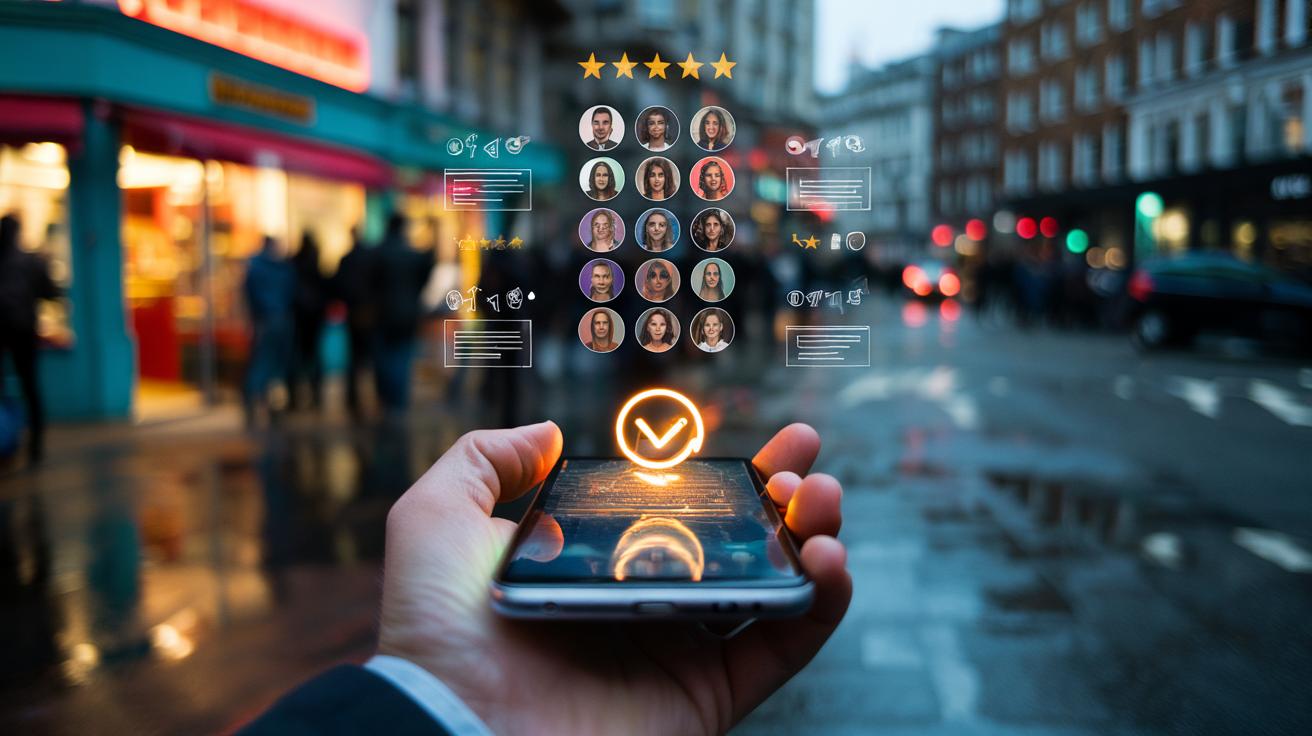
We rarely admit it, but our choices lean on what others do. In a shop queue, on a product page, or while scrolling news, the pull is immediate. Social proof reduces uncertainty, compresses deliberation, and speeds us past hesitation. The brain reaches for shortcuts when time, attention, or confidence runs thin. A star rating, a “popular now” label, a neighbour’s review—each acts like a green light at a crossroads. Used well, these signals guide; used carelessly, they manipulate. Here’s how to harness social proof to motivate action with ease, without sacrificing trust or ethics.
The Psychology Behind Rapid Social Proof
When decisions feel complex, our brains flip to heuristics. Social proof is one of the fastest. We infer that if many people choose X, X is likely safe, valuable, or correct. In cognitive terms, this blends the bandwagon effect with authority bias, and sometimes FOMO. Time pressure amplifies the effect. The tighter the window, the stronger the nudge to copy the crowd. This is why “only 3 left” or “1,200 bought today” messages often shift behaviour within seconds.
Offline, a queue outside a bakery signals quality. Online, a dense cluster of ratings, reviews, and badges stands in for the queue. We also lean on similarity. A testimonial from “Eleni in Manchester, first-time buyer” can outperform a generic celebrity quote because it reflects the reader’s context. That fit reduces risk. And risk reduction is the core job of social proof—transforming uncertainty into a credible bet, fast. It works not by perfect logic but by acceptable probability. People want a reason to say yes; seeing others say yes provides one instantly.
There’s also an emotional kicker. Social acceptance matters. Choosing what the crowd chooses can feel safe even before we articulate why. That pre-verbal comfort accelerates commitment—clicks, sign-ups, donations—especially when the decision stakes are moderate. The mechanism is simple: fewer reasons to doubt means fewer pauses, which means more action. Make the safe choice obvious and watch hesitation fall.
Signals That Trigger Instant Trust
Some cues operate like traffic signs. They compress judgement into a glance. Aggregated ratings carry weight because they bake in numbers and consensus. Real-time activity updates create momentum and a sense of relevance. Peer similarity bridges the gap between “people” and “people like me”. Specificity multiplies credibility: numbers, dates, locations, faces, and roles. Below is a quick map of the most effective signals and why they work at speed.
| Signal | Why It Works Quickly | UK-Friendly Example |
|---|---|---|
| Star Ratings (4.6/5) | Compresses collective judgement into one glance | “4.6 from 2,184 verified buyers” |
| Volume + Recency | Shows momentum, not just popularity | “312 booked this week in London” |
| Peer Testimonials | Similarity reduces perceived risk | “Sophie, Leeds — first home, saved £540” |
| Expert or Regulator Endorsement | Borrowed credibility lowers cognitive load | “Accredited by BSI; ISO 27001” |
| Media Logos | Instant recognition from known brands | “Featured in The Guardian, BBC News” |
Design matters. Place social proof near the decision point: the add-to-basket button, the form field, the donate call-to-action. Match proof to the dominant anxiety. Worried about quality? Lead with ratings. Worried about relevance? Lead with local reviews and dates. Worried about legitimacy? Lead with independent certification. Relevance beats volume; a single well-matched signal can outperform a wall of noise.
Designing Ethical Social Proof for Action
Speed should not excuse shortcuts. Authenticity is the long-term growth engine. Use verified reviews with clear timestamps and context; never bury the negative ones. If you show counters—“X viewing now”, “Y bought today”—tie them to real data with defined refresh intervals, and disclose the basis. Misleading scarcity or inflated activity erodes trust faster than any uplift boosts it. In the UK, align with ASA and CMA guidance on claims, substantiation, and avoiding unfair pressure tactics.
The craft is matching proof to stage. Early stage? Show breadth: logos, press, awards. Mid stage? Show depth: case studies with outcomes, before/after metrics, named sources. Late stage? Show proximity: local reviews, guarantee terms, success rates for people like the buyer. Create a consent-first pipeline for testimonials—obtain permission, verify identity, and allow opt-outs. Add grounding details: sample sizes, methodology, and date ranges. These extras don’t slow decisions; they stabilise them.
Then measure with discipline. Run A/B tests on placement and phrasing. Use holdouts to detect placebo effects. Track not only conversion but regret signals: refunds, cancellations, complaints. Guardrails protect against short-term wins that sour cohorts later. Finally, write for humans. Specific numbers, plain language, crisp formatting. When social proof clarifies rather than coerces, action becomes effortless and sustainable.
Social proof is persuasion’s fast lane. Done right, it turns hesitation into confident momentum by answering the quiet question: “Will this work for someone like me, right now?” The trick is choosing signals that are specific, honest, and placed where the decision happens. Treat attention with respect. Let the crowd’s wisdom be visible, not overwhelming. Build credibility that compounds, not spikes and fades. Trust earned quickly must also endure. What signal will you test first—and how will you know it boosted action without compromising your brand’s integrity?
Did you like it?4.3/5 (30)