In a nutshell
- 🧪 Rice reduces odours via adsorption and mild absorption: dry starch granules with microvoids draw in moisture and VOCs, creating a drier microclimate that speeds diffusion overnight; plain white rice outperforms brown due to fewer surface oils.
- 🥣 Method: spread uncooked white rice (1–2 cups) in a wide bowl for fridges, drawers, and rooms; use rice-filled socks for shoes; maximise surface area, leave 8–24 hours, and replace or oven-dry periodically to keep it dry.
- ⚠️ Safety and limits: never use cooked rice (moisture and Bacillus cereus risk), don’t eat rice used as a deodoriser, and keep from pets/children; effective for light, everyday smells, but smoke, mildew, and embedded pet urine need targeted cleaning.
- ⚖️ Comparison: rice is cheap, safe, and accessible; baking soda neutralises acidic odours, activated charcoal captures a broader range faster, and silica gel excels at humidity control—choose based on the source and severity.
- 🏠 Best practice: remove the source (clean, ventilate, treat stains), then use rice as a first-line deodoriser; optional essential oils add scent but don’t fix causes; ideal for small UK spaces—fridges, wardrobes, cars—when you need fresher air by morning.
There’s a quiet, cheap hero sitting in your cupboard: rice. Not just for supper. It can also pull lingering smells from shoes, fridges, wardrobes, and cars with surprising speed. The trick works overnight because dry grains act like a thirsty sponge for airborne molecules. Leave a bowl out at bedtime and many stubborn odours ease by morning. In cramped UK flats and rented rooms, that’s a small miracle. Below, I unpack the science, offer step-by-step methods, and show where rice shines—and where it won’t. Expect practical tips, a touch of chemistry, and clear comparisons with baking soda and charcoal to help you choose the right tool for the job.
The Science Behind Rice’s Odour Absorption
At first glance, a grain of rice looks smooth and sealed. Not so. Each kernel is a matrix of starch granules—largely amylose and amylopectin—laced with microvoids that create a modest yet meaningful surface area. Dry rice doesn’t just sit there; it draws in moisture from the air, and with it, some volatile organic compounds (VOCs) responsible for smells. The primary mechanism is adsorption (molecules clinging to the surface) with a side of absorption (limited penetration into the granule). This natural desiccant effect lowers humidity around the odour source, nudging the equilibrium so more smell-causing molecules migrate into the rice.
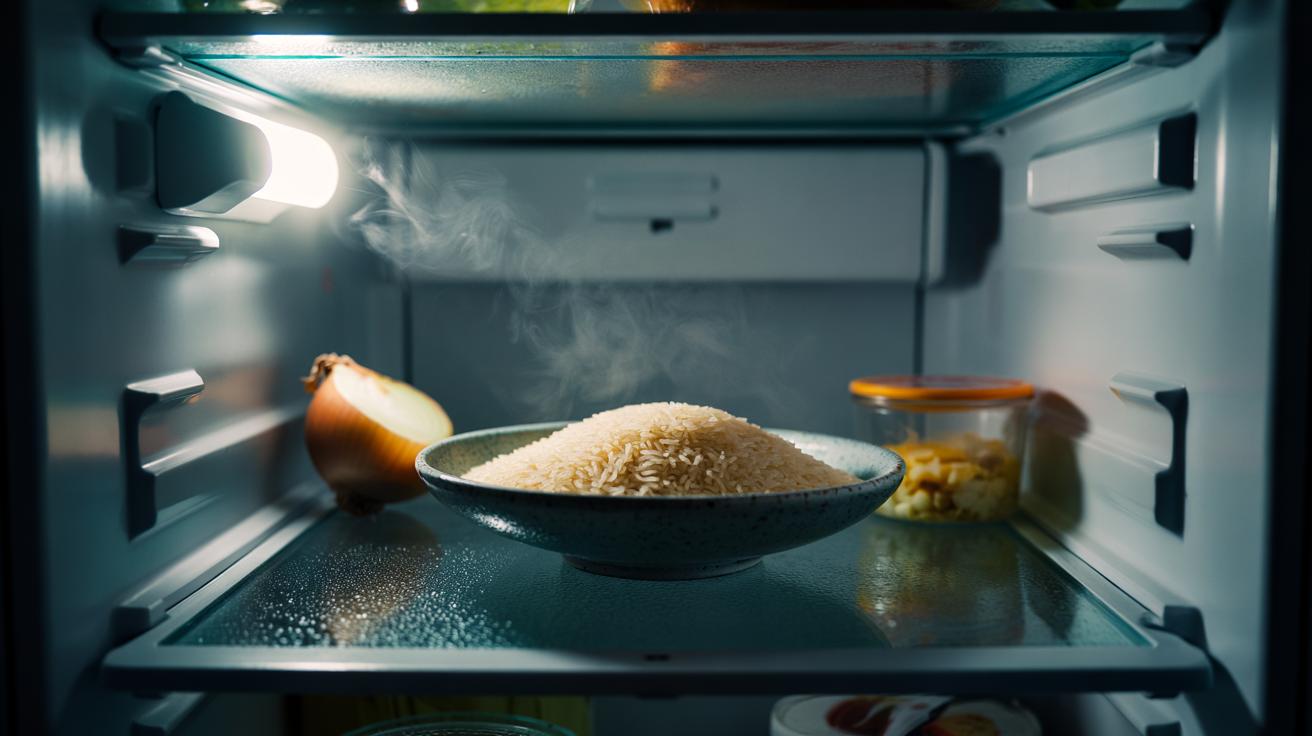
Why overnight? Diffusion. Odour molecules constantly move from higher to lower concentration. When you place a bowl of uncooked, very dry rice near a smell source—say, onion-tainted fridge shelves—the drier microenvironment accelerates transfer. It won’t match professional sorbents like activated carbon, but its availability, safety, and low cost make it ideal for quick domestic wins. White rice tends to outperform brown for odours because the bran layer in brown rice carries natural oils that can blunt adsorption. Keep it simple: plain, dry, unperfumed white rice in an open container.
Rice excels with diffuse, everyday odours—stale cupboard notes, musty drawers, light cooking whiffs. Strong pollutants with high persistence, like smoke residues or pet urine embedded in fibres, are harder. Those compounds bind deeply to porous materials or require chemical breakdown. Think of rice as a fast, friendly first responder for mild to moderate smells, not a specialist for entrenched contamination.
How to Use Rice for Fast, Overnight Deodorising
Start with uncooked white rice. Spread 1–2 cups in a wide, shallow bowl to maximise surface exposure. For a fridge, perch the bowl on a shelf; for a wardrobe or suitcase, place it near the most affected area; for shoes, fill two clean cotton socks with rice, knot, and tuck one in each shoe. Wider surface equals faster impact. In a car, try a small tray under a seat and crack a window slightly if safe. Expect noticeable improvement by morning, with better results after 24–48 hours for stubborn whiffs.
Keep the rice dry. If your home runs humid, refresh with a quick oven-dry: spread on a tray and warm at low heat until thoroughly dried, then cool and store airtight. Alternatively, simply replace it. As a rule, use fresh rice every one to two weeks in ongoing problem spots. Do not use cooked rice—it adds moisture and invites bacteria, notably Bacillus cereus. Never eat rice that’s been used as a deodoriser, and keep it away from pets and small children.
Boost results by pairing rice with basic housekeeping. Wipe surfaces, improve ventilation, launder fabrics, and remove the smell source when possible. A drop or two of essential oil on the rice can leave a pleasant scent, but remember that masks aren’t fixes. If there’s mould, treat the growth; if there’s a spill, clean it first. For carpets and upholstery, blot, enzyme-clean if biological, then use rice nearby to clear residual airspace odours.
Rice vs Other Household Deodorisers
Rice plays in a crowded field. Baking soda neutralises acidic odours and works well in fridges and bins. Activated charcoal offers far greater surface area and captures a broad range of VOCs rapidly, though it costs more. Silica gel is a champion desiccant for moisture, often reusable by oven-drying, but not always food-safe for open use. Rice sits in the middle: gentle, cheap, food-adjacent, and quick enough for overnight relief.
| Adsorbent | Best For | Speed | Reusability | Notes |
|---|---|---|---|---|
| Rice | Light everyday odours | Overnight to 48h | Replace or oven-dry | Safe, cheap, widely available |
| Baking Soda | Acidic fridge and bin smells | Overnight+ | Replace periodically | Neutralises acids; inexpensive |
| Activated Charcoal | Broad VOC capture | Fast | Limited; replace | Highest performance at a price |
| Silica Gel | Humidity control | Fast | Oven-regenerable | Not for food contact areas |
Where doesn’t rice help? Heavy smoke damage, persistent mildew, and embedded pet urine often need targeted cleaners, enzyme treatments, or professional remediation. If a room smells damp, fix the damp; rice won’t solve building moisture. Use rice as a smart, first-line intervention while you address the source. For landlords and tenants alike, that two-step approach—remove cause, then clear the air—prevents odours from creeping back.
Rice won’t replace deep cleaning or industrial sorbents, but as a practical domestic hack it punches above its weight. It’s safe around food zones, simple to deploy, and effective against the everyday smells that make small spaces feel stuffy. Set it out at night, wake to fresher air. If a problem persists, escalate to baking soda, charcoal, or proper stain treatment. For those living in compact UK homes—or just busy households—that’s an empowering option. Which space in your home will you test first, and what result will you be hoping to wake up to?
Did you like it?4.4/5 (20)