In a nutshell
- 🔬 Dopamine anticipation primes attention and heightens taste perception via the cue–reward loop, making flavours feel brighter before the first bite.
- 👩🍳 Practical tactics: treat mise en place as stagecraft, preheat for a confident Maillard sear, bloom spices, and use timed pauses to build expectation and reduce stress.
- 🎛️ Sensory cues matter: a sizzle (sound), aroma plumes (smell), and partial reveals (sight) act as anticipation cues that guide doneness and amplify flavour.
- 🍽️ Menu pacing: start bright and aromatic, add controlled suspense, use an amuse-bouche, and design contrasts (hot/cold, crisp/soft) to keep anticipation alive—ethically, not manipulatively.
- 🧠 Big takeaway: Cook with suspense, not haste—stage sound, scent, and sight; rest then reveal; simple rituals turn weeknight dishes and dinner parties into memorable experiences.
The first sizzle of butter. The perfume of garlic warming in the pan. Long before a bite reaches your tongue, your brain is already tasting. That edge-of-the-seat feeling is not whimsy; it’s chemistry. When we cook, dopamine surges in anticipation of a reward, sharpening attention and heightening sensory detail. In a home kitchen, that means brighter flavours, better timing, and a calmer cook. Anticipation is not a tease; it is a tool. Used well, it can make Tuesday pasta sing and transform dinner parties into theatre. Here’s how understanding the brain’s “expect and prepare” system can elevate everything you plate.
The Science Behind Anticipation and Taste
Think of dopamine as the brain’s headline writer. It flags what matters next. In cooking, that “next” might be the Maillard reaction on a steak or the lift of a soufflé. Anticipation releases dopamine not as a reward for eating, but as a prediction of pleasure, priming your senses to notice nuance. When you expect flavour, you perceive it more vividly. That is why the smell of roasted tomatoes can make you salivate before the sauce hits the pasta, and why a covered pot, gently rattling, magnetises your attention.
Scientists call this a cue–reward loop. A cue—heat, aroma, sound—signals that reward is imminent. Your body prepares: salivation increases, taste buds wake up, posture stills. In kitchens, these cues are everywhere. The whisper of steam. The snap of sea salt flicking a hot pan. Small sensory signals train your brain to track progress, reducing stress and helping you judge “done-ness”. You’re not just cooking ingredients; you’re choreographing brain states that support better decisions and, ultimately, richer flavour.
This mechanism also explains why delayed gratification tastes remarkable. Slow-rising dough, a curry resting overnight, or a cheesecake set in the fridge—all recruit sustained dopamine signalling. Anticipation builds a narrative, and narrative shapes taste. The brain isn’t fooled; it’s prepared. It expects complexity and meets it halfway, increasing your sensitivity to acidity, sweetness, bitterness and texture. Expectation calibrates perception—and makes your food seem more itself.
Practical Ways to Harness Dopamine in the Kitchen
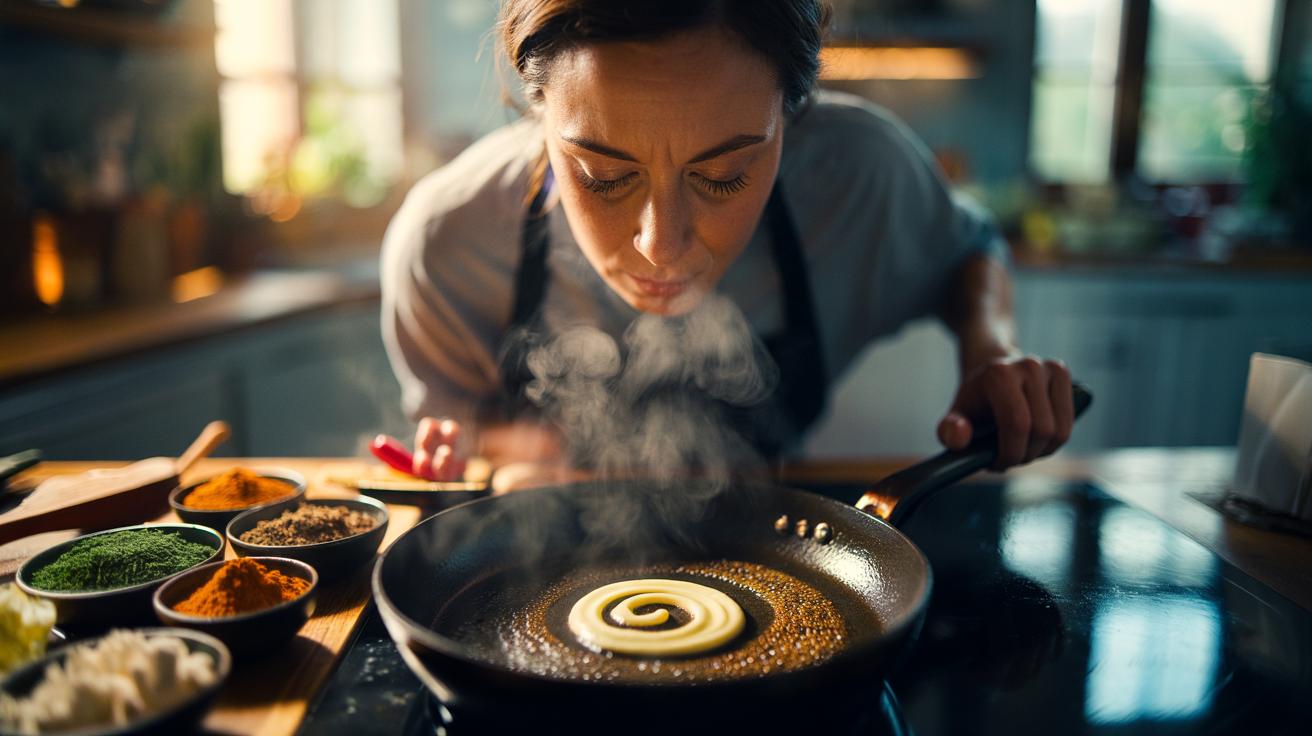
Begin with theatre. Mise en place is not tidiness; it’s stagecraft. Lined-up spices, chopped herbs in small bowls, pans preheated until they hum—these are anticipation cues that tell your brain, “something good is coming.” Set the scene and you set your senses. Layer cues as you cook: release an early aroma with onions and oil; create an audible signal with a hard sear; schedule a pause—resting meat, cooling caramel—so the rhythm alternates tension and release. That cadence keeps you engaged and wards off over-stirring, over-tasting, over-fussing.
| Trigger | Dopamine Cue | Cooking Move | Expected Pay-off |
|---|---|---|---|
| Sizzle on contact | Sound predicts browning | Preheat pan properly | Confident sear, deeper flavour |
| Aroma plume | Smell signals progress | Bloom spices in fat | More vivid spices, less quantity |
| Timed pause | Delay builds expectation | Rest meat; proof dough | Juicier cuts, lighter crumb |
| Partial reveal | Visual tease primes taste | Lift lid briefly; plate in layers | Sharper perception, hotter service |
Music helps. A short playlist that crescendos near serving time creates a shared clock, useful in busy households. Use scent zoning: open a window during prep to reset your nose, then close it for finishing so the final aromas “pop”. Restraint multiplies the final reveal. For weeknights, build micro-anticipation: soak beans in the morning; marinate tofu at lunch; chill glasses for dessert. These small, planned cues reduce cognitive load while amplifying the reward signal when you finish.
Designing Menus That Reward the Wait
Great menus manage tempo. Start with a bright, aromatic opener—think lemon-dressed fennel, a spoon of warm dhal with tempered mustard seeds, or a chilled pea velouté with mint. The point is not to fill but to signal. Tell the palate which direction you’re travelling. Follow with a course that introduces controlled suspense: slow-roasted tomatoes folded into fresh pasta at the table; a broth poured from a hot jug so aromas surge just before eating. Each step is a promise, then a delivery, building trust—and appetite.
Write with intention. Dish names that cue texture or process—“charred”, “silky”, “slow-fermented”—seed expectations your cooking can meet. A tiny amuse-bouche acts as an early win in the cue–reward loop, keeping guests receptive during longer waits. Design contrasts so the brain keeps predicting: crisp with soft, hot with cool, bitter with sweet. That interplay maintains dopamine’s attention-driving role without exhausting it. Variation keeps anticipation alive; monotony sends it to sleep.
Ethics matter. Don’t manipulate; motivate. Serve rests, not delays. If a stew needs 15 minutes to settle, narrate it: “We’re letting the spices marry.” Share a peek—a lifted lid, a sniff of the tarragon bundle—so guests feel included in the process. The psychology is simple: participation heightens reward. The culinary result is profound: more appreciative eaters, a calmer cook, and dishes that taste as good as they smell because you timed the reveal with care.
Anticipation is the home cook’s quiet superpower. By staging cues—sound, scent, sight—and honouring pauses, you enlist dopamine to sharpen judgement and magnify flavour. Cook with suspense, not haste. Preheat properly. Bloom spices. Rest, then reveal. Over days and dinners, you’ll notice a shift: fewer stumbles, more fireworks, deeper satisfaction. And the best part? It costs nothing. Only intention. How will you choreograph your next meal so the story your kitchen tells makes the final bite impossible to forget?
Did you like it?4.5/5 (25)